

Unlocking the transformative power of meditation can feel daunting, but it doesn't have to be. This article presents a collection of step-by-step guides designed to lead you towards successful meditation practices. We’ll explore various techniques, from beginner-friendly mindfulness exercises to advanced visualization methods, addressing common challenges and providing practical tips for building a consistent meditation routine. Discover how to cultivate inner peace, reduce stress, and enhance your overall well-being through proven strategies and inspiring success stories. Prepare to embark on a journey of self-discovery and mindful living.
Unlocking Inner Peace: Step-by-Step Meditation Success Stories
Understanding the Power of Guided Meditation
Guided meditation offers a structured approach to mindfulness, making it ideal for beginners. These guided sessions often use calming voiceovers and visual imagery to help focus the mind and cultivate a sense of inner calm. Success stories often highlight the ability of guided meditations to reduce stress, improve sleep, and enhance self-awareness, providing a pathway to greater mental well-being. The power lies in its ability to gently steer your mind away from racing thoughts, replacing them with tranquility and focused attention.
Setting Realistic Goals and Expectations
A common pitfall for aspiring meditators is setting unrealistic expectations. Starting small is key. Aim for just 5-10 minutes a day initially, rather than attempting hour-long sessions. Consistency is more crucial than duration. Success stories often emphasize the importance of building a sustainable daily practice, gradually increasing the duration as comfort and focus improve. Celebrating small wins and acknowledging progress fosters motivation and prevents discouragement.
Finding the Right Guided Meditation Style for You
The vast array of guided meditations available can be overwhelming. Exploring different styles—from mindfulness meditations to body scans and transcendental meditation—is crucial to finding what resonates. Some individuals respond well to calming nature sounds, while others prefer mantras or visualization techniques. Experimentation is vital to discovering a style that aligns with personal preferences and enhances the meditative experience. Success often involves finding a method that feels both comfortable and effective for the individual.
Overcoming Common Challenges and Obstacles
Even experienced meditators encounter challenges such as a racing mind, feelings of restlessness, or difficulty focusing. Success stories often highlight the importance of patience and self-compassion. These challenges are normal parts of the process. Techniques like acknowledging distracting thoughts without judgment, focusing on the breath, and adjusting the meditation duration can help overcome these obstacles. Remember that meditation is a skill that develops with consistent practice and perseverance.
Tracking Progress and Celebrating Successes
Tracking progress is essential for maintaining motivation and celebrating achievements. Keeping a journal to note changes in mood, stress levels, or sleep quality can provide tangible evidence of the benefits of meditation. Celebrating milestones, whether it's completing a week of consistent practice or noticing increased focus, reinforces positive reinforcement and helps maintain a sense of accomplishment. Recognizing the positive impact meditation has had on your life will further encourage continued practice.
| Stage of Meditation | Common Challenges | Strategies for Success |
|---|---|---|
| Beginning | Restless mind, difficulty focusing | Short sessions, guided meditations, focusing on the breath |
| Intermediate | Mind wandering, emotional distractions | Mindfulness techniques, longer sessions, self-compassion |
| Advanced | Maintaining deep focus for extended periods | Regular practice, advanced techniques, mindfulness in daily life |
What are the 7 steps of meditation?
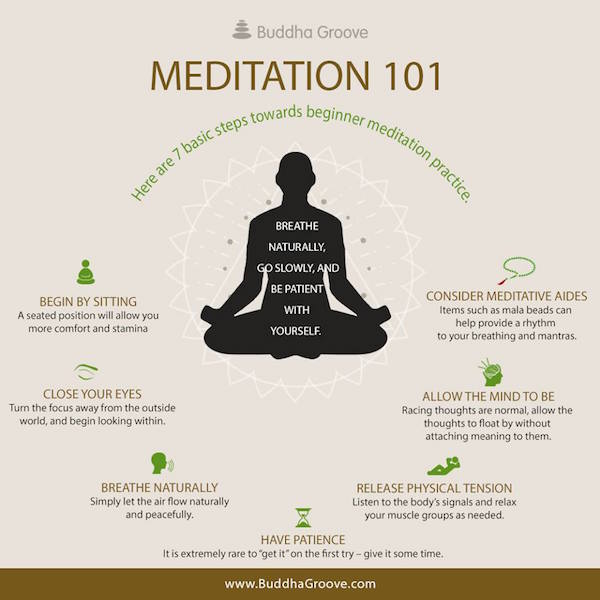
7 Steps of Meditation
What are the 7 Steps of Meditation?
While the exact steps can vary depending on the specific meditation technique, a general framework encompassing seven key steps can guide beginners. These steps are iterative and build upon each other, refining the practice over time. It's crucial to remember that consistency and patience are more important than perfection.
1. Finding a Quiet and Comfortable Space
The environment significantly impacts your ability to focus. Choose a space free from distractions, such as a quiet room or a peaceful corner of your home. Make sure you're comfortable; sit or lie down in a position that allows you to maintain an upright posture without strain. This sets the stage for a calm and focused mind.
- Minimize external stimuli: Turn off phones, televisions, and other noise sources.
- Optimize lighting: Choose soft, dim lighting or natural light.
- Ensure comfortable temperature: Avoid extreme heat or cold.
2. Setting an Intention
Before beginning, define your intention for the meditation session. What are you hoping to achieve? Are you seeking relaxation, stress reduction, increased self-awareness, or something else? A clear intention provides a focal point and anchors your practice. It can be as simple as “to be present” or more specific, such as “to cultivate compassion”.
- Be specific: Instead of "reduce stress," try "release tension in my shoulders."
- Keep it realistic: Don't aim for enlightenment in one session.
- Write it down: This reinforces your commitment.
3. Focusing on Your Breath
The breath is a powerful anchor for meditation. Pay close attention to the sensation of your breath as it enters and leaves your body. Notice the rise and fall of your chest or abdomen. When your mind wanders (which it inevitably will), gently redirect your attention back to your breath. This anchors you to the present moment.
- Observe the full breath cycle: Inhale, hold briefly, exhale, and pause again.
- Notice the quality of your breath: Is it shallow or deep, fast or slow?
- Don't judge your breath: Simply observe it without trying to change it.
4. Observing Your Thoughts and Emotions
As you meditate, thoughts and emotions will naturally arise. Don't fight or suppress them; instead, observe them without judgment. Acknowledge their presence, note their nature, and then gently return your attention to your breath. This cultivates mindful awareness and acceptance.
- Label your thoughts and emotions: "Thinking," "feeling anxious," etc.
- Avoid getting carried away: Gently steer your attention back to your breath.
- Practice non-judgmental awareness: Simply observe without evaluation.
5. Using Guided Meditations (Optional)
Guided meditations, available through apps or recordings, can be helpful, especially for beginners. A guided meditation provides a structure and direction, making it easier to maintain focus. They often use calming voices and imagery to help you relax and deepen your meditative state. Experiment with different styles to find what resonates with you.
- Choose a reputable source: Look for experienced instructors.
- Start with shorter sessions: Gradually increase the duration.
- Explore different themes: Compassion, loving-kindness, etc.
6. Extending the Duration Gradually
Start with short meditation sessions (5-10 minutes) and gradually increase the duration as your comfort level grows. Consistency is key; regular practice, even for short periods, is more effective than infrequent long sessions. Patience is crucial; don't get discouraged if your mind wanders. The ability to focus improves with practice.
- Add a minute each week: A slow increase prevents overwhelm.
- Listen to your body: Don't push yourself beyond your limits.
- Be patient and kind to yourself: Progress takes time.
7. Integrating Meditation into Daily Life
The benefits of meditation extend beyond the meditation cushion. Try to incorporate mindful awareness into your daily life. Pay attention to the present moment while eating, working, or interacting with others. This cultivates a continuous sense of presence and awareness, extending the positive effects of your practice beyond formal meditation sessions.
- Practice mindful breathing throughout the day: Take a few deep breaths when stressed.
- Engage your senses fully: Notice the sights, sounds, and smells around you.
- Cultivate a sense of presence and awareness in all activities.
How long do you need to meditate to see results?
Meditation and Results
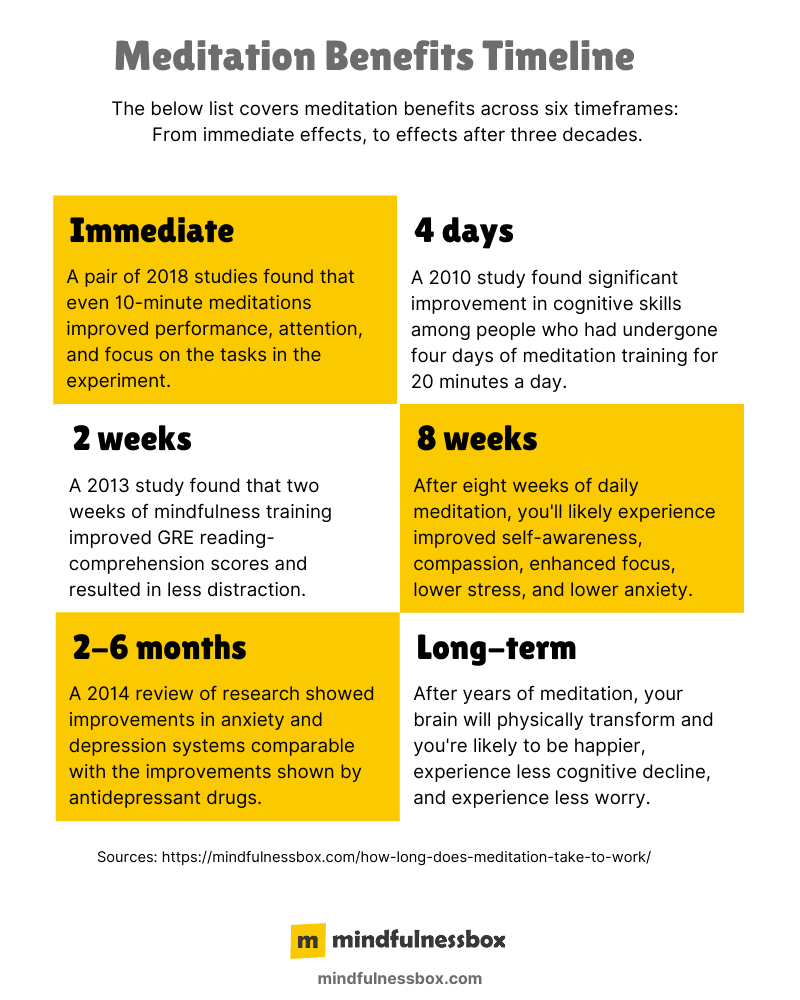
There's no single answer to how long you need to meditate to see results. The experience is highly individual, depending on various factors such as your practice, your goals, and your definition of "results." Some people report noticeable changes after just a few sessions, while others may take weeks or even months to experience significant benefits. Consistency is key, far more important than duration in the early stages. Short, regular sessions are generally more effective than infrequent, long ones. Think of it like exercise; a short, daily walk is better than a marathon once a month.
What are the different types of meditation?
Different meditation techniques offer various benefits and may impact the time it takes to see results. For example, mindfulness meditation, focusing on the present moment, might yield quicker stress reduction than transcendental meditation which focuses on mantras and might take longer for noticeable changes in overall well-being.
- Mindfulness Meditation: Focuses on present moment awareness of thoughts, feelings, and sensations without judgment. Often yields quicker results for stress reduction.
- Transcendental Meditation (TM): Uses a mantra to quiet the mind, promoting relaxation and deeper states of consciousness. May take longer to experience significant effects.
- Guided Meditation: Led by an instructor, often focusing on specific themes or visualizations. Can be beneficial for beginners and provide quicker results in addressing specific issues.
What are Realistic Expectations for Meditation Benefits?
It's important to have realistic expectations. Meditation isn't a quick fix. While you might experience immediate feelings of calmness during a session, lasting changes in your mental and emotional well-being typically take time. Don't get discouraged if you don't notice dramatic shifts overnight.
- Stress Reduction: May be noticeable within weeks of regular practice.
- Improved Focus: Can take several weeks or months of consistent practice.
- Emotional Regulation: This often requires longer-term dedication, potentially months or even years.
How Consistency Impacts Results in Meditation
Consistency is more crucial than duration. A short daily meditation is far more effective than infrequent, longer sessions. Building a regular practice helps your brain establish new neural pathways associated with calmness, focus, and self-awareness. Missing sessions can disrupt this process.
- Daily Practice: Even 5-10 minutes daily is more beneficial than a 60-minute session once a week.
- Habit Formation: Consistency is key to forming a sustainable meditation habit and seeing lasting results.
- Neural Pathways: Regular practice strengthens neural pathways associated with mindfulness and emotional regulation.
The Role of Personal Factors in Meditation Outcomes
Individual factors significantly influence the timeline for experiencing meditation's benefits. Your personality, lifestyle, pre-existing conditions, and personal goals all play a role. What works for one person might not work for another.
- Stress Levels: Individuals with high stress levels might see quicker reductions in stress through meditation.
- Mindset: A positive and patient approach is crucial for long-term success.
- Underlying Conditions: Mental health conditions might require a longer period of practice or additional support.
How to Measure Your Progress in Meditation
Tracking your progress can help maintain motivation. Focus on subjective experiences rather than solely relying on objective measurements. Journaling, noting changes in mood or stress levels, or observing your ability to focus can provide valuable insights.
- Journaling: Record your daily meditation experiences, including thoughts, feelings, and observations.
- Self-Reflection: Pay attention to changes in your emotional responses, stress levels, and overall well-being.
- Mindfulness in Daily Life: Notice how your meditation practice influences your behavior and reactions throughout the day.
Frequently Asked Questions
What are step-by-step guides for meditation success stories?
Step-by-step guides for meditation success stories are structured resources that provide a clear path to achieving successful meditation experiences. These guides typically offer beginner-friendly instructions, breaking down the process into manageable steps, and often include personal anecdotes or success stories from others to inspire and motivate individuals. They frequently cover topics such as finding the right posture, focusing the mind, handling distractions, and cultivating mindfulness to help users experience the transformative benefits of meditation.
How can these guides help me achieve my meditation goals?
These guides act as roadmaps, offering a clear framework to navigate the often-challenging initial stages of meditation. By following the steps outlined, you'll develop consistent practice habits, learn effective techniques to manage your thoughts and emotions, and cultivate a deeper understanding of mindfulness. The inclusion of success stories showcases the achievable nature of your goals, offering inspiration and reassurance throughout your journey, making the process less daunting and more achievable.
Are these guides suitable for beginners with no prior meditation experience?
Absolutely! Many of these guides are specifically designed for absolute beginners, with explanations and instructions tailored to those with no prior meditation experience. They often begin with the most fundamental concepts and gradually introduce more advanced techniques, ensuring a gradual learning curve that makes the process accessible and enjoyable. The simplicity and clarity of the instructions make them ideal for newcomers eager to explore the benefits of meditation.
Where can I find these step-by-step guides?
You can find numerous step-by-step guides for meditation success stories online through various resources. Websites, blogs, and apps dedicated to mindfulness and meditation often feature such guides. Additionally, you might find helpful information in books and e-books on meditation. Searching online for terms like "beginner meditation guide," "guided meditation scripts," or "meditation success stories" will provide numerous options to explore and find a guide that best suits your needs and preferences.
 Tools for Measuring Your Progress in Stress Management
 Free Resources to Enhance Your Relaxation Journey
 How to Start Journaling for Mindful Reflection
 Transformative Meditation Practices for Busy Lives
 Fast-Track Your Calm with These Simple Exercises
If you want to know other articles similar to Step-by-Step Guides for Meditation Success Stories you can visit the Inspirational Guides and Resources category.