

Stress management is a journey, not a destination, and consistent progress is key to long-term well-being. Effectively tracking your journey requires the right tools. This article explores a range of practical methods for measuring your progress in stress management. From simple journaling techniques and mood trackers to sophisticated apps and biometric monitoring devices, we'll examine various options to help you gain valuable insights into your stress levels and the effectiveness of your coping strategies. Understanding your progress empowers you to refine your approach and achieve sustainable stress reduction.
Tools for Measuring Your Progress in Stress Management
1. Self-Monitoring Tools and Journals
Self-monitoring is a cornerstone of effective stress management. Using a journal, app, or even a simple notebook, track your stress levels daily. Note down stressful events, your emotional and physical responses (e.g., anxiety, muscle tension, sleep disturbances), and the coping mechanisms you employed. Regularly reviewing these entries allows you to identify patterns and triggers, pinpoint areas needing improvement, and measure how effectively your strategies are working. Quantifying your stress through a rating scale (e.g., 1-10) can also provide valuable objective data on your progress over time.
2. Stress Scales and Questionnaires
Standardized stress scales and questionnaires offer a more structured approach to measuring stress levels. Instruments like the Perceived Stress Scale (PSS) or the Holmes and Rahe Stress Inventory provide quantifiable scores reflecting your perceived stress. These tools help to objectively assess your baseline stress level and track changes over time in response to your stress management techniques. Remember that while these scales offer valuable data, they should be considered alongside your personal experiences and observations for a more holistic view.
3. Biofeedback and Wearable Technology
Biofeedback devices and wearable technology offer a fascinating avenue for measuring the physiological effects of stress. These tools monitor heart rate, blood pressure, skin conductance, and other physiological markers reflecting your body's stress response. By tracking these metrics, you can gain insights into how effectively your stress management techniques are impacting your physiological state. This objective data can be particularly useful for people who find it challenging to subjectively assess their stress levels.
4. Sleep Tracking and Analysis
Sleep is significantly impacted by stress, and its quality serves as a powerful indicator of your overall stress management success. Sleep trackers (wearables or apps) provide data on sleep duration, sleep stages, and sleep quality. Consistent improvements in these metrics indicate that your stress management strategies are promoting better rest and recovery, suggesting positive progress. Changes in sleep patterns, however, should also be discussed with a healthcare professional.
5. Regular Check-ins with a Therapist or Coach
While self-monitoring tools are invaluable, professional support is crucial. Regular sessions with a therapist or coach provide a structured framework for assessing your progress, identifying challenges, and refining your stress management plan. They can offer objective feedback, provide guidance on interpreting self-monitoring data, and adjust your strategies as needed. This collaborative approach maximizes the effectiveness of your stress reduction efforts and ensures personalized support.
| Method | Pros | Cons |
|---|---|---|
| Self-Monitoring Journals | Easy to implement, personalized, tracks triggers and coping mechanisms | Subjectivity, potential for bias |
| Stress Scales | Objective data, standardized measurement | May not capture the full complexity of stress |
| Biofeedback | Objective physiological data, tracks bodily responses | Can be expensive, requires specialized equipment |
| Sleep Trackers | Objective sleep data, reveals impact on sleep quality | Accuracy can vary depending on the device |
| Therapy/Coaching | Personalized support, expert guidance, objective feedback | Requires financial investment, time commitment |
What tools can be used to measure stress?

Stress Measurement Tools
Measuring stress involves a multifaceted approach, utilizing various tools to assess different aspects of the stress response. These tools range from self-report questionnaires to physiological measures, providing a comprehensive understanding of an individual's stress level. The choice of tool depends on the specific research question, the context of measurement, and the resources available. No single tool perfectly captures the complexity of stress, and a combination of methods often yields the most accurate picture.
Self-Report Questionnaires
Self-report questionnaires are widely used due to their ease of administration and cost-effectiveness. They rely on individuals rating their own stress levels based on provided scales and questions. However, they are subject to biases such as social desirability and recall bias. The validity and reliability of these questionnaires are crucial and should be carefully considered.
- Perceived Stress Scale (PSS): A widely used instrument that measures the degree to which individuals find their lives unpredictable, uncontrollable, and overloaded.
- Stressful Life Events Scale: This questionnaire assesses the number and severity of stressful life events experienced over a specific period. It's important to note that the impact of such events varies significantly between individuals.
- Symptom Checklists: These questionnaires focus on identifying and quantifying physical and psychological symptoms associated with stress, such as headaches, sleep disturbances, and anxiety.
Physiological Measures
Physiological measures provide objective data on the body's response to stress. These measures capture the changes in the autonomic nervous system and endocrine system, reflecting the body's stress response in real-time or over a longer period. However, they can be expensive and require specialized equipment and training.
- Heart Rate Variability (HRV): Measures the variation in time intervals between heartbeats. Lower HRV is often associated with higher stress levels.
- Blood Pressure: Elevated blood pressure is a common physiological indicator of stress.
- Cortisol Levels: Cortisol is a stress hormone; measuring its levels in saliva or blood can provide insights into the body's stress response. Saliva samples are often preferred due to their non-invasive nature.
Behavioral Measures
Behavioral measures observe and quantify observable behaviors linked to stress. These measures can provide insights into the coping mechanisms and behavioral responses to stressful situations. However, they can be subjective and prone to observer bias. The specific behaviors measured will depend on the context of the stress assessment.
- Sleep patterns: Sleep disturbances such as insomnia or excessive sleeping are frequently observed in stressed individuals.
- Appetite changes: Changes in appetite, such as increased or decreased food intake, are common stress indicators.
- Social withdrawal: Avoiding social interactions can be a behavioral manifestation of stress.
Interviews
Structured or semi-structured interviews allow for a more in-depth understanding of an individual's experience with stress. They allow researchers to explore the context and meaning of stress in the individual's life. However, interviews are time-consuming and require trained interviewers. The interviewer's bias should be carefully considered.
- Qualitative data collection: Providing rich insights into personal experiences with stress.
- Exploration of coping strategies: Allows for detailed understanding of how individuals manage stress.
- Contextual information: Provides valuable information about the individual's life circumstances that might be contributing to stress.
Cognitive Assessments
Cognitive assessments measure aspects of thinking, attention, and memory that can be affected by stress. They provide insights into the impact of stress on cognitive function. These tests often require specialized training to administer and interpret. The results need to be considered in conjunction with other measures of stress.
- Attentional tasks: Measuring selective attention and ability to focus under pressure.
- Memory tests: Assessing working memory and recall capabilities.
- Cognitive flexibility tests: Evaluating the ability to switch between tasks and adapt to changing demands.
What measures would you take for stress management?

Stress Management Measures
To manage stress effectively, I would employ a multi-faceted approach focusing on both proactive strategies to prevent stress and reactive strategies to cope when stress occurs. This involves a combination of lifestyle adjustments, cognitive techniques, and seeking support when necessary. My approach would be highly personalized and adaptable based on the specific stressors and their impact on my well-being.
Mindfulness and Meditation
Mindfulness and meditation practices are crucial for stress management. These techniques help to anchor me in the present moment, reducing the power of worries about the future or regrets about the past. By focusing on my breath and bodily sensations, I can cultivate a sense of calm and reduce the physiological responses associated with stress, such as increased heart rate and muscle tension. Regular practice, even for short periods, can significantly impact my overall stress levels.
- Practice guided meditations or mindfulness exercises daily.
- Incorporate mindfulness into everyday activities like eating or walking.
- Utilize mindfulness apps or online resources for guided practices.
Physical Exercise and Healthy Lifestyle
Physical activity plays a vital role in stress reduction. Exercise releases endorphins, which have mood-boosting effects. Moreover, regular physical activity improves sleep quality, boosts energy levels, and strengthens the body's resilience to stress. Coupled with a healthy diet rich in fruits, vegetables, and whole grains, and limiting processed foods, caffeine, and alcohol, I can significantly improve my physical and mental well-being, leading to better stress management.
- Engage in at least 30 minutes of moderate-intensity exercise most days of the week.
- Prioritize a balanced diet with plenty of fruits, vegetables, and whole grains.
- Ensure adequate sleep (7-9 hours per night) for optimal physical and mental recovery.
Time Management and Prioritization
Effective time management is essential to prevent stress from accumulating. By prioritizing tasks, setting realistic goals, and breaking down large projects into smaller, manageable steps, I can avoid feeling overwhelmed. Learning to say "no" to non-essential commitments and delegating tasks when possible frees up valuable time and mental energy. This proactive approach significantly reduces the likelihood of experiencing excessive stress.
- Use a planner or calendar to schedule tasks and appointments.
- Prioritize tasks based on urgency and importance.
- Learn to delegate tasks when possible and say no to unnecessary commitments.
Social Support and Connection
Strong social connections are a powerful buffer against stress. Connecting with supportive friends, family, or a therapist provides an outlet for expressing emotions, receiving encouragement, and gaining perspective. Sharing my struggles and celebrating my successes with others fosters a sense of belonging and reduces feelings of isolation, which often exacerbates stress. Regular social interaction, even brief conversations, can significantly improve my emotional well-being.
- Spend quality time with loved ones and nurture meaningful relationships.
- Join social groups or clubs based on shared interests.
- Seek professional help from a therapist or counselor if needed.
Cognitive Restructuring and Positive Self-Talk
Cognitive restructuring involves identifying and challenging negative or unhelpful thought patterns. When faced with stressful situations, I would actively work to replace negative self-talk ("I can't handle this") with more realistic and positive affirmations ("I can manage this one step at a time"). This process involves reframing stressful events and focusing on solutions rather than dwelling on problems. This cognitive approach helps to reduce anxiety and promotes a more resilient mindset.
- Identify negative or unhelpful thought patterns.
- Challenge these thoughts with evidence and alternative perspectives.
- Replace negative self-talk with positive affirmations and self-compassion.
What are the 5 A's of stress management?
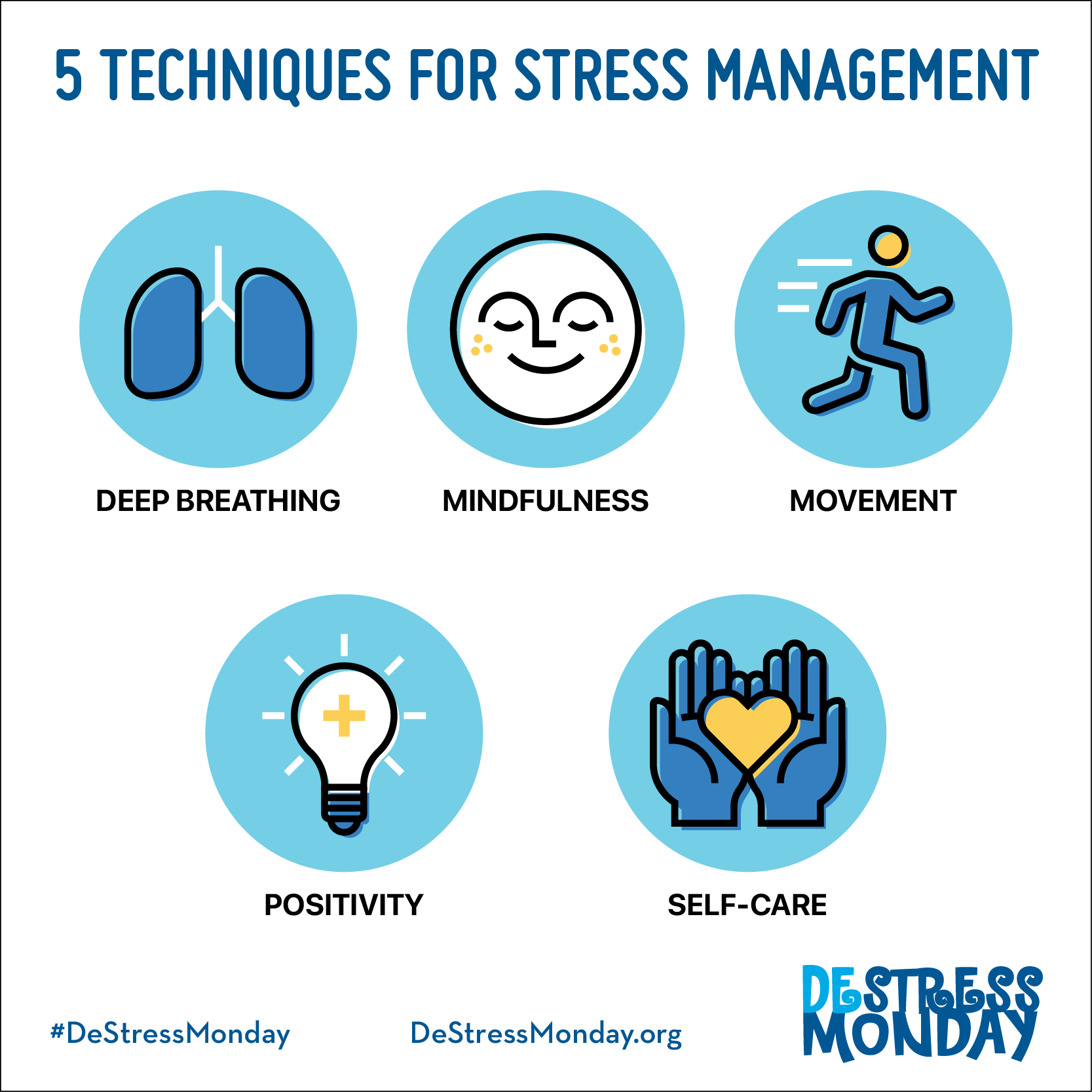
The 5 A's of Stress Management
1. Acknowledge
The first step in managing stress is to acknowledge its presence in your life. Ignoring stress only allows it to fester and grow. It's crucial to honestly assess your stressors and recognize their impact on your physical and mental well-being. This involves identifying both major and minor stressors, and understanding how they make you feel. Ignoring problems rarely solves them.
- Identify stressors: Make a list of everything causing you stress.
- Recognize your feelings: How does each stressor make you feel (anxious, frustrated, overwhelmed)?
- Acknowledge the impact: How is stress affecting your sleep, appetite, mood, and relationships?
2. Avoid
Once you've identified your stressors, the next step is to avoid those you can. This doesn't mean escaping all challenges, but strategically choosing to distance yourself from situations or people who consistently contribute to your stress levels. This might involve setting boundaries, saying no to extra commitments, or delegating tasks. Prioritizing your well-being is crucial.
- Set boundaries: Learn to say "no" to requests that overwhelm you.
- Limit exposure: Reduce contact with people or situations that consistently cause stress.
- Delegate tasks: Share responsibilities whenever possible.
3. Alter
For stressors you can't avoid, you need to alter them. This means actively working to change the situation to make it less stressful. This might involve problem-solving, negotiating, compromising, or seeking assistance from others. Finding solutions, even small ones, can significantly reduce your stress levels.
- Problem-solve: Brainstorm solutions to address the root cause of the stressor.
- Negotiate: Find a compromise or agreement that works for everyone involved.
- Seek support: Talk to friends, family, or professionals for help and guidance.
4. Adapt
Sometimes, despite your best efforts, you can't avoid or alter a stressor. In these cases, you need to adapt your thinking and approach. This involves changing your perception of the situation and focusing on what you cancontrol. This might involve reframing negative thoughts, practicing acceptance, or focusing on the positive aspects of the situation.
- Reframe negative thoughts: Challenge unhelpful or unrealistic thoughts.
- Practice acceptance: Accept that some things are beyond your control.
- Focus on the positive: Look for the good in challenging situations.
5. Accept
Finally, there are some stressors that, despite your best efforts, remain beyond your control. Acceptance of these situations, while difficult, is crucial for your mental well-being. This doesn't mean giving up or resigning yourself to unhappiness, but rather acknowledging the reality of the situation and focusing on managing your response rather than trying to change the unchangeable.
- Let go of what you can't control: Focus your energy on aspects you can influence.
- Practice self-compassion: Be kind and understanding towards yourself.
- Seek professional help: If you're struggling to cope, seek support from a therapist or counselor.
What is the best assessment tool for stress?
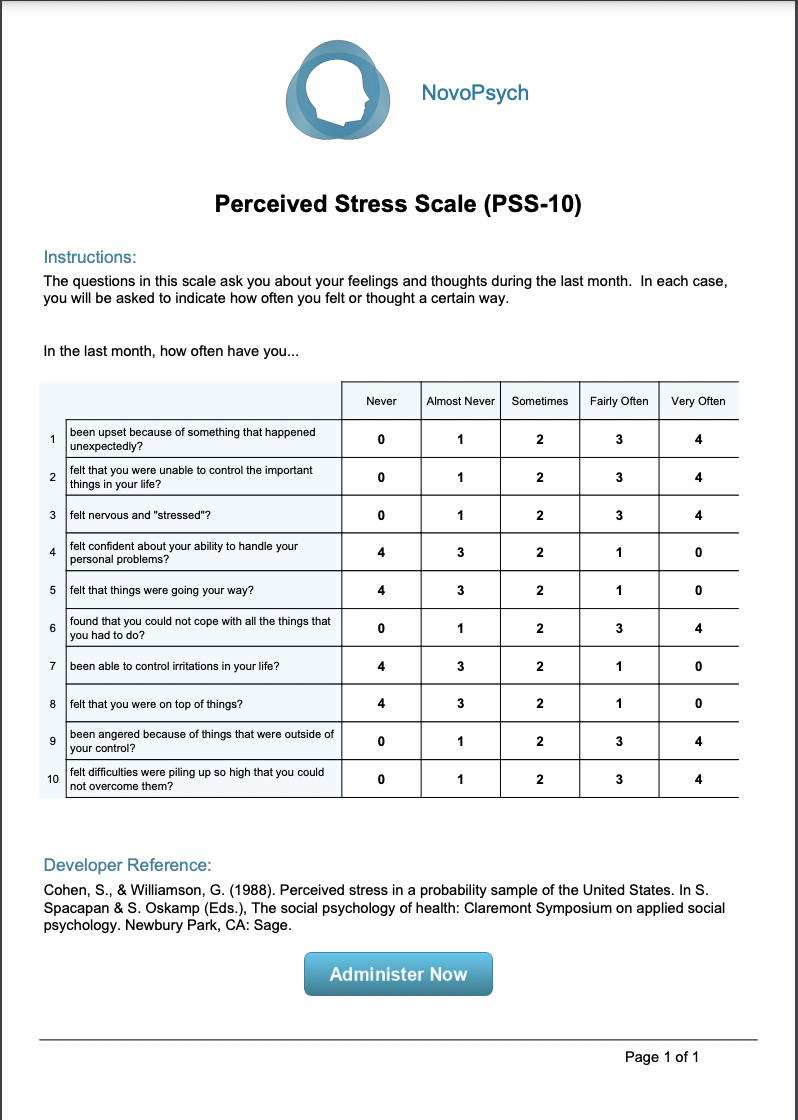
Stress Assessment Tools
There isn't a single "best" assessment tool for stress, as the ideal choice depends on several factors, including the purpose of the assessment (research, clinical diagnosis, workplace screening), the population being assessed (adults, children, specific populations with pre-existing conditions), and the resources available (time, cost, trained personnel). The effectiveness of any assessment tool hinges on its validity (measuring what it intends to measure) and reliability (producing consistent results). Different tools utilize various approaches, measuring physiological responses, psychological symptoms, or both. Therefore, a comprehensive approach often involves using multiple tools in conjunction to gather a holistic understanding of an individual's stress experience.
Types of Stress Assessment Tools
Stress assessment tools can be broadly categorized into several types. Self-report questionnaires are the most common, offering convenience and anonymity. Physiological measures, such as heart rate variability, blood pressure, and cortisol levels, provide objective data. Interviews allow for deeper exploration of individual experiences but are more time-consuming and require trained professionals. Finally, observational methods may be used in research settings to assess behavioral indicators of stress. The choice of tool will depend on the specific needs of the assessment.
- Self-report questionnaires: These are convenient and cost-effective but may be susceptible to biases like social desirability.
- Physiological measures: These provide objective data but can be expensive and invasive.
- Interviews: These allow for in-depth exploration but are time-consuming and require skilled interviewers.
The Perceived Stress Scale (PSS)
The Perceived Stress Scale (PSS) is a widely used and validated self-report measure of perceived stress. It assesses the degree to which individuals perceive their lives as stressful. Its brevity and ease of administration contribute to its popularity in research and clinical settings. However, it relies on subjective self-reporting and may not fully capture the complexity of the stress experience. The PSS is a good starting point for assessing perceived stress, but should be complemented by other assessments for a complete picture.
- Easy to administer: The PSS is quick and simple to complete, making it suitable for large-scale studies.
- Widely validated: The scale has been extensively validated across diverse populations and contexts.
- Limitations: It focuses on perceived stress rather than objective stress levels and is subject to response bias.
The Holmes and Rahe Stress Inventory
The Holmes and Rahe Stress Inventory focuses on major life events and their impact on stress levels. It assigns numerical values to various life events, allowing for a quantitative assessment of total life change units. While valuable for identifying potential stress triggers, it lacks nuance in considering individual coping mechanisms and the subjective experience of stress. This tool is helpful in identifying potential stressors but doesn't account for individual responses to those stressors.
- Identifies major life events: It highlights significant life changes that contribute to stress.
- Quantitative assessment: Provides a numerical score reflecting the potential stress level.
- Limitations: It doesn't consider individual coping mechanisms or the subjective experience of stress.
Physiological Measures of Stress
Physiological measures, such as cortisol levels, heart rate variability, and blood pressure, offer objective data on the body's response to stress. These measures can detect stress even in individuals who may not consciously report feeling stressed. However, they can be expensive, invasive, and require specialized equipment and expertise. They are most useful in conjunction with other assessment tools to provide a comprehensive picture of stress.
- Objective data: Provides quantifiable data on the body's physiological response to stress.
- Detects hidden stress: Can identify stress even in individuals who don't report feeling stressed.
- Resource intensive: Requires specialized equipment and expertise, making it costly and impractical for large-scale studies.
Choosing the Right Tool
Selecting the appropriate stress assessment tool involves carefully considering the research question, the target population, and available resources. No single tool is universally superior; the best approach often combines multiple methods to obtain a holistic view of stress. This integrated approach considers self-reported experiences alongside objective physiological measures, offering a richer and more nuanced understanding of an individual's stress levels and its impact.
- Consider the purpose: The goal of the assessment (research, clinical, screening) will dictate the most appropriate tool.
- Target population: The age, health status, and other characteristics of the participants will influence tool selection.
- Resources: Time, cost, and the availability of trained personnel will also determine feasible options.
Frequently Asked Questions
What tools can I use to measure my progress in stress management?
There are many tools available to track your progress, from simple journals where you note your stress levels and coping mechanisms to more structured apps that offer guided exercises and progress tracking. Wearable technology like smartwatches can also monitor physiological stress indicators such as heart rate variability. Consider using a combination of methods to gain a holistic view of your stress management journey. Finally, regular check-ins with a therapist or coach can provide valuable qualitative data alongside quantitative measurements.
How often should I measure my progress?
The frequency of measurement depends on your individual needs and goals. Some people prefer daily tracking to maintain consistency and identify triggers, while others may find weekly or monthly reviews sufficient. The key is to find a schedule that's sustainable and allows you to accurately reflect on your progress without feeling overwhelmed. Experiment with different frequencies and adjust as needed to optimize your tracking process. Remember, consistency is more important than frequency.
What metrics should I track to assess my stress levels?
Focus on both subjective and objective metrics. Subjective metrics include your self-reported stress levels using scales (e.g., 1-10), noting your mood, sleep quality, and energy levels. Objective metrics can include heart rate variability data from a wearable, blood pressure readings, or even the frequency of headaches or physical symptoms. Tracking both gives you a comprehensive picture of your stress levels and the effectiveness of your stress management strategies. Combining quantitative and qualitative data provides a richer understanding of your progress.
How can I use this data to improve my stress management techniques?
Regularly reviewing your data allows you to identify patterns and trends in your stress levels. For example, you might discover that certain activities or situations consistently elevate your stress. This insight allows you to refine your stress management techniques, focusing on strategies that are most effective in mitigating these triggers. Analyzing your data enables you to make informed decisions about which techniques to maintain, modify, or replace for better results and a more personalized approach to stress management.
 Free Resources to Enhance Your Relaxation Journey
 How to Start Journaling for Mindful Reflection
 Life-Changing Habits for Deep Inner Peace
 Fast-Track Your Calm with These Simple Exercises
If you want to know other articles similar to Tools for Measuring Your Progress in Stress Management you can visit the Inspirational Guides and Resources category.